What is the Khorasan Award?
The Khorasan Award is a biennial cultural and artistic initiative established in 2025 by Kooche (Magazine of Art and Thought). The Award was created with the aim of identifying, evaluating, and showcasing outstanding architectural works, and of establishing a platform for dialogue, critique, and the exchange of experience among architects, researchers, and practitioners in the field.
The inaugural edition is dedicated to Architecture and will assess completed projects across the Great Khorasan. All projects, regardless of function, scale, or type, will be judged solely on architectural quality and professional criteria.
Architects, designers, and practices from Iran and abroad are invited to submit built projects located within this region. By recognising projects that engage with quality of life, cultural identity, climate, environment, and innovation in architecture, the Khorasan Award seeks to advance architectural culture and foster the exchange of experience at both national and international levels.
Objectives of the Award
The Khorasan Award pursues four main objectives:
- Identifying and showcasing invaluable architectural works, with an emphasis on cultural identity and regional characteristics.
- Encouraging innovation, creativity, and contemporary approaches in design and construction.
- Strengthening dialogue and engagement among architects, researchers, academics, and professionals in the field of architecture.
- Advancing architectural culture and public awareness through specialised meetings, exhibitions, workshops, and the publication of selected works.
Beyond an Award
The Khorasan Award is not merely an architectural competition; it is an effort to build an ongoing discourse on the quality of contemporary architecture. Specialised meetings, an exhibition of selected works, publication of the award book, and the presentation of winning projects are all part of this cultural and professional approach.
The Khorasan Award holds that valuable architecture is not confined to the physical quality of a building alone, but finds meaning in its relationship to culture, society, climate, economy, and quality of life. For this reason, the Award seeks, in each edition, to present works that can inspire the next generation of architects and serve as representatives for advancing the quality of architecture in Iran.
Why “Khorasan”?
The name “Khorasan” in this Award does not refer solely to a geographic area; it recalls one of the most significant cultural, historical, and civilisational regions of Iran. Drawing on this legacy, the Khorasan Award aims to establish a platform for dialogue on architecture, culture, and the quality of the built environment. This Award holds that architecture becomes valuable when, alongside design quality, it also responds to culture, climate, society, and the future.
The Importance of the Khorasan Award
In this regard, projects are evaluated by an independent jury of distinguished architects and specialists according to comprehensive criteria, including design excellence, cultural identity, sustainability, innovation, social responsibility, and environmental and societal impact. In addition to selecting award recipients, this evaluation process provides an opportunity for professional reflection and contributes to elevating the overall standards of architectural practice.
The Khorasan Award also hosts meetings, seminars, and educational programmes that foster the exchange of experience, knowledge, and professional dialogue among architects and researchers. These initiatives contribute to the production and dissemination of architectural literature.
A central objective of the Award is to enhance focus on cultural identity, climatic conditions, ecology, and local capacities within architectural design. The Award seeks to present projects that address contemporary needs while establishing a deliberate relationship with culture, history, nature, and modern life.
The Award further provides an important platform for presenting distinguished architectural works to both professional and public audiences. Selected projects are documented through publications, exhibitions, digital platforms, and media coverage, increasing their visibility, supporting professional exchange, and creating new opportunities for architects and design practices.
At the regional level, the Khorasan Award helps showcase the architectural potential of the three Khorasan provinces, improve the quality of the built environment, strengthen cultural tourism, and increase the attention of officials and investors to the value of high-quality architecture.
Ultimately, the Khorasan Award aspires to become a credible reference for identifying, documenting, and presenting valuable architecture in Khorasan. Through dialogue, critique, education, and the dissemination of knowledge, the Award intends to advance architectural culture and quality of life within this cultural sphere.
Why Biennial?
Architectural events around the world are commonly organised on an annual, biennial, or triennial basis, with each adopting a timeframe that reflects its specific objectives and scope. The Khorasan Award has deliberately adopted a biennial format, since architecture, unlike many other artistic disciplines, is inherently a long-term process. The conception, construction, and evaluation of significant architectural works require time.
A biennial cycle allows more projects to reach completion, enhances the overall quality of the works, and enables the jury to evaluate a more diverse and mature body of projects. This approach also provides a valuable opportunity for professional dialogue, the generation and exchange of knowledge, the organisation of specialist events and conferences, and the documentation and dissemination of architectural achievements.
The Khorasan Award believes that the quality, impact, and lasting value of architecture are far more significant than the frequency of organising events. For this reason, the biennial format has been adopted as the most appropriate framework for fulfilling the Award’s cultural and professional mission.
Award Organising Team
- Organiser:
KOOCHE Magazine – Kooche Bagh Honar va Andishe - Award Director:
Morteza Khayat Pour Najib - Art Director & Visual Identity Designer:
Shaghayegh Mehrzad - Award Trophy Designer:
Masoud Bahmani - Trophy Fabrication:
ROST Factory - Graphic Designer:
Pouyan Shokripour - Website Design & Development:
Mehdi Ghaffari - Persian & English Scientific Editor:
Neda Abbasimaleki - Secretariat Communications Coordinator:
Shooka Taghizadeh Jahani
Award judges
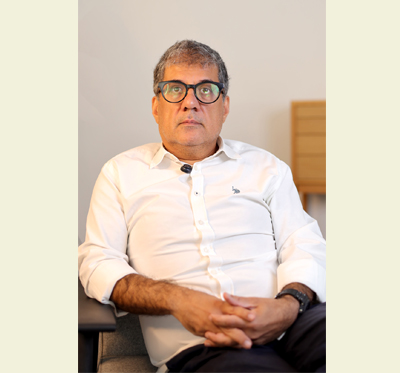
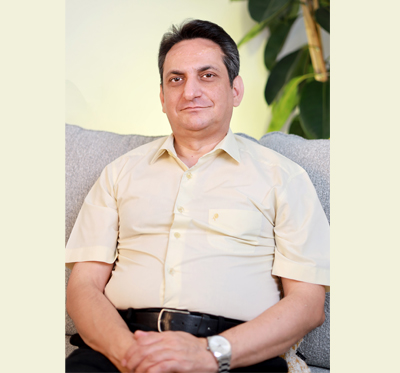

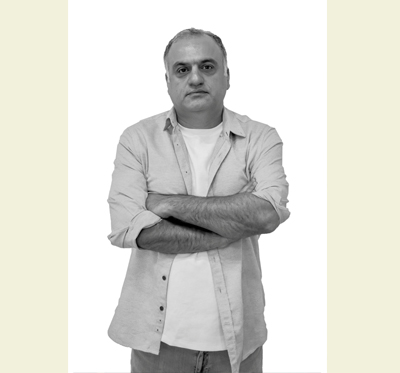

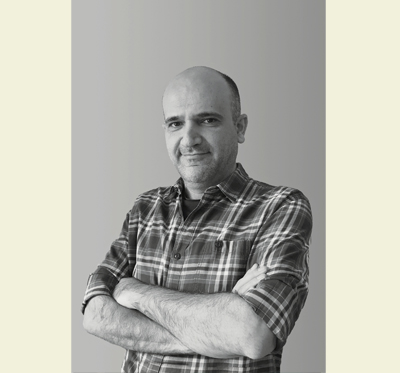
Responsibilities of the Jury
Maintaining Impartiality: Ensuring complete neutrality during the evaluation process and avoiding any form of bias or favoritism
Developing Evaluation Criteria: Collaborating with other jury members to establish and refine assessment standards that align with the goals of the competition
Reporting to the Organizer: Providing final results, analyses, and recommendations to the organizing committee for consideration and publication
Authorities of the Jury
Selecting Winners: Having the authority to decide on the winning designs based on the evaluations conducted.
Setting Priorities: The ability to identify and emphasize particular aspects of design that deserve special attention within the competition framework
Collaboration Among Jurors: Working closely with fellow jurors to develop a comprehensive and balanced approach to the assessment and selection of submitted projects
Awards
First Prize
Awarding the Khorasan Award Trophy entitled “Continuity”
A cash prize of USD 1,000
Second Prize
A cash prize of USD 600
Third Prize
A cash prize of USD 400
Additional Awards and Recognition for the Top Ten Projects
Publication of the project in the Khorasan Award Book and Kooche Magazine
Awarding an official Khorasan Award Certificate
Featuring the project on the official website and social media platforms of the award
“Continuity” Trophy | Khorasan Award
The “Continuity” Trophy will be awarded to the winner of the First Prize in the inaugural edition of the Khorasan Award | Architecture Biennial.
The “Continuity” Trophy is a symbol of the continuity of architectural heritage and the endurance of thought within the cultural landscape of Khorasan, a land of sunrise and the emergence of new horizons. Its unified and resilient form, shaped through a gentle twist, embodies movement, transformation, and continuity, expressing a dialogue between the past and the future, tradition and innovation. The trophy serves as a metaphor for unity and interconnectedness. Its reflective surfaces shift with light and time, reminding us that enduring architecture is not created through the repetition of the past, but through its creative continuation and the formation of a rooted future.
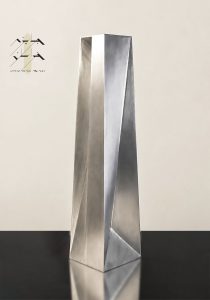
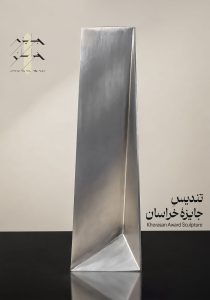
Trophy Design: Masoud Bahmani
Photography: Nazanin Hamasi
Fabrication: Rost Factory
Registration Form for the Khorasan Award
Individual architects and architectural practices with completed projects located within the Khorasan region are eligible to participate in the Khorasan Award | Architecture Biennial. Participation in this award provides an opportunity for architects to strengthen their professional profile and contribute to the promotion of locally grounded and locally context-responsive architecture.
Please note: To participate in the Khorasan Award, you must first create a user account. If you have already registered, you can log in using your existing account. After logging into your account, complete the required form and submit as many projects as you wish. Please ensure that you enter your account details completely so that you can proceed with the payment.
Project Submission Process for the Khorasan Award
- Online Registration:
To participate in the Khorasan Award, you must first create an online account. If you have already registered previously, you can simply log in using your existing account. - Project Submission:
After logging into your account, complete the relevant submission form and upload as many projects as you wish to enter. Make sure that your account details are filled out completely and accurately in order to process your participation and payment successfully. - Project Evaluation:
At this stage, the presence of the project’s designer or architect is not required. The evaluation will be conducted .independently by the jury based on the submitted materials
Terms & Conditions
Failure to comply with any of the following Terms & Conditions may result in disqualification of an entry at any stage of the Khorasan Award process, including after the official announcement of the results.
- Participation in the Khorasan Award is only possible through registration within the official submission period. Entries may be submitted either individually or as a group.
- International applicants registering individually are required to provide a valid Iranian Foreign Nationals Identification Code (Faragir Code) or, where applicable, an equivalent identification number.
- Eligible projects must be fully completed and operational and must be located exclusively within one of the three provinces of Khorasan in Iran: Razavi Khorasan, North Khorasan, or South Khorasan.
- Projects must have reached practical completion between 21 March 2011 and 6 August 2026.
- There is no limit to the number of projects that each participant may submit.
- A separate registration and entry fee is required for each submitted project unless an official invitation code or discount code has been issued by the Secretariat.
- To enhance the professional and academic quality of the Award, the Secretariat reserves the right to invite selected architects, architectural practices, or outstanding projects to participate. Any invited entry will be evaluated according to the same criteria and procedures as all other submissions and will receive no preferential treatment during the judging process.
- All submissions must use the official presentation board templates provided by the Secretariat.
- Any false, misleading, or incomplete information submitted during the registration process, including information relating to the project location, completion date, authorship, ownership, or project specifications, may result in the disqualification of the entry.
- All principal contributors involved in the design of the project must be accurately acknowledged. Omitting key contributors or submitting inaccurate authorship information may result in the disqualification of the entry.
- Jury presentation boards must remain completely anonymous. Names, logos, office identities, signatures, or any identifying marks must not appear on the jury boards.
- Submission files uploaded to cloud storage (Google Drive) must remain accessible and unchanged until the official announcement of the Longlist.
- Participants must own or possess the legal rights to all submitted drawings, photographs, texts, videos, and other supporting materials.
- Participants bear full responsibility for any infringement of copyright, intellectual property rights, image rights, or other legal rights relating to submitted materials.
- By submitting an entry to the Award, participants grant Kooche Bagh Honar va Andisheh (Cultural and Artistic Institute) a non-exclusive, royalty-free, perpetual licence to publish, reproduce, display, print, archive, document, and promote the submitted materials in printed and digital publications, exhibitions, the Award book, the Award website, social media platforms, and other Award-related activities. In all cases, full credit will be given to the creator(s).
- The organiser may make minor technical adjustments to submitted materials, including resizing, cropping, or colour correction, provided that the essential content and integrity of the work remain unchanged.
- The organiser shall not be held liable for any unauthorised use of published materials by third parties.
- Projects that have previously been published, exhibited, shortlisted, or awarded in other competitions remain eligible for submission.
- A project that has not received an award in a previous edition of the Khorasan Award may be resubmitted only once, provided that it continues to satisfy all eligibility requirements.
- The use of any design method, hand-drawing techniques, software, or digital technology, including artificial intelligence tools, is permitted. However, the participant remains fully responsible for the originality and accuracy of the submitted content.
- The Award Secretary, members of the Jury, and authorised Secretariat staff are required to maintain strict confidentiality regarding all submitted materials and deliberations until the official publication of the results.
- Members of the Jury, the Award Secretary, and all individuals involved in the evaluation process shall declare any actual or potential conflict of interest. Where such a conflict exists, the individual concerned shall abstain from reviewing, discussing, or voting on the relevant submission.
- Attendance at jury deliberations is strictly limited to Jury members, the Award Secretary, and officially authorised Secretariat personnel.
- For projects shortlisted for the final presentation stage, the principal architect or an officially authorised representative is required to attend the presentation session unless otherwise approved in writing by the Secretariat.
- All decisions of the Jury are final and binding and are not subject to appeal.
- If any violation of these Terms and Conditions, fraudulent submission, or misrepresentation is discovered at any stage, including after the announcement of the winners, the submission will be withdrawn, and the award will be conferred upon the next eligible project.
- The Khorasan Award confers three principal prizes: First Prize, Second Prize, and Third Prize. No joint awards shall be granted unless expressly authorised by the Jury in exceptional circumstances.
- Participation in the Award is open to natural persons, legal entities, architectural firms, consulting engineering firms, and other professional organisations.
- Physical models may not be submitted as part of the jury process unless specifically requested by the Secretariat in exceptional cases.
- The Khorasan Award is organised in accordance with the applicable laws and regulations of the Islamic Republic of Iran, including copyright and intellectual property legislation. All participants are required to comply with these regulations.
- Submission to the Khorasan Award constitutes full acceptance of these Terms & Conditions, together with all regulations, procedures, and decisions issued by the Secretariat and the Jury. Any matter not expressly covered by these Terms shall be interpreted and resolved by the Secretariat in accordance with the principles of fairness, transparency, and the integrity of the Award.
Required Submission Documents
To participate in the Khorasan Award, applicants are required to submit the following documents:
- Completed registration form
- Project description
- Architectural drawings and plans
- Project photographs
- Technical documentation
- Designers’ biographies
These materials provide the jury with the information necessary to conduct a comprehensive and informed evaluation of each submitted project.
⸻
Project Information
Project Title
The official title and full identification of the project.
Architects and Design Team
Lead architect(s)
Design collaborators and consultants, including:
- Client
- Design, 3D visualization, and graphic collaborators
- Contractor
- Site supervisor
- Structural engineer
- Mechanical engineer
- Electrical engineer
- Urban planner
- Photographer
- Videographer
Project Location
- Province (Khorasan Razavi, North Khorasan, or South Khorasan)
- Complete postal address
Project Timeline
- Construction commencement date
- Construction completion date
Project Size
- Gross floor area (GFA)
- Site dimensions
- Number of storeys
Project Type
- Renovation
- New Construction
Project Category
Projects should be classified under one of the following categories:
- Residential: Apartments, villas, dormitories, and other residential spaces.
- Educational: Schools, universities, educational centers, and libraries.
- Healthcare: Hospitals, clinics, pharmacies, and other healthcare facilities.
- Commercial: Shops, shopping malls, office spaces, restaurants, and other commercial spaces.
- Recreational: Parks, cinemas, recreational centers, and hotels.
- Government and Administrative: Government buildings, municipalities, courts, and other public offices.
- Industrial: Factories, workshops, warehouses, and other production/industrial spaces.
- Cultural and Artistic: Museums, theaters, galleries, and concert halls.
- Religious: Mosques, churches, temples, and other religious sites.
- Sports: Stadiums, sports halls, sports clubs, and recreational centers.
- Other: Project uses not included in the categories listed above.
⸻
Personal Statement
Applicants are required to submit a brief statement outlining their design philosophy, professional approach, and architectural objectives.
⸻
Project Description
Applicants must submit a 300–500 word project statement in both Persian and English; submission of each is mandatory.
The statement should clearly explain:
- the design concept
- project objectives
- architectural strategy
- material selection
- construction methodology
- innovative aspects of the project
- design responses to the Award evaluation criteria
The jury values clarity, precision, and professional reflection. Applicants are encouraged to avoid exaggerated claims and present their projects objectively and accurately.
⸻
Submission Boards
Jury Boards
- Number of boards: 4–6
- Size: 50 × 70 cm (Portrait)
- Format: PDF
- Resolution: 300 dpi
⸻
Exhibition Boards
- Number of boards: 2
- Size: 70 × 100 cm (Portrait)
- Format: PDF
- Resolution: 300 dpi
Note: Participants must include only one image (the main image) of the project on the first exhibition sheet. On the second sheet, they are permitted to use other materials, such as plans, images, sections, diagrams, and so on.
The official board templates may be downloaded from the Downloads section of the website.
⸻
Video (Optional):
Participants may submit a short clip of their project along with the other documents. The video link must be included in the registration form. Compliance with music copyright regulations for playback on social media platforms such as Instagram is mandatory.
Requirements:
- Maximum duration: 5 minutes
- Maximum file size: 80 MB
Important Notes
Applicants may revise their submission as many times as necessary before payment. Once the registration fee has been paid, no further modifications to the project submission will be permitted.
A confirmation email will be sent after successful payment.
The registration fee is the only mandatory payment required for participation. No additional fees will be charged for announcing winners, awarding prizes, publishing works, or holding the award ceremony.
All required documents (jury boards and exhibition boards) must be uploaded separately to Google Drive as a compressed ZIP archive named after the responsible architect (the registered applicant). The download link must then be entered in the online registration form.
Applicants must keep all uploaded files available in Google Drive until the official announcement of the Longlist.
⸻
Submission Board Requirements
The first jury board should include:
- Project title
- Project type
- Building category
- Project location (including full address and location map or Google Maps reference)
- One representative overall image of the project
Technical drawings should clearly communicate the architectural qualities of the project.
Recommended drawing scales include:
- Site Plan: approximately 1:200, or another appropriate scale depending on project size.
- Plans and Elevations: approximately 1:100, or any scale that ensures clarity and accurate understanding of the project.
- Sections: approximately 1:50, or another suitable scale relevant to the project.
For large-scale projects, alternative drawing scales are acceptable, provided that the submitted documents remain legible and allow the jury to evaluate the project accurately.
All drawings should be professionally presented with clear linework and sufficient graphic quality.
Documentation should include all information necessary to understand the project, including dimensions, levels, principal materials, and significant architectural elements.
Appropriate annotations, legends, labels, and concise explanatory notes are encouraged wherever necessary.
The thoughtful use of colour and texture may be employed to improve readability and distinguish materials, spaces, and functional relationships.
Applicants should also provide:
- 5–10 construction photographs documenting key stages of the building process.
- 10–15 high-resolution photographs of the completed project, including exterior views, interior spaces, architectural details, and, where appropriate, images showing occupation or use of the building. Night-time photographs are recommended if architectural lighting forms part of the design concept.
To facilitate international evaluation, applicants are strongly encouraged to present all texts on the submission boards bilingually (Persian and English) using a clear and professionally designed graphic layout.
Criteria and Evaluation Process
These criteria aim to assess creativity, design harmony with the environment, spatial efficiency, the project’s impact on the environment and local community, preservation of cultural heritage, the use of innovative technologies, and the evaluation of costs and economic impacts. The ultimate goal of the award is to contribute to sustainable development and improve the quality of life in various regions of Khorasan.
Cultural Identity
- Attention to cultural heritage and local architecture, as well as the preservation and enhancement of regional identity.
Sustainability and Environmental Compatibility
- Consideration of the local ecology and climate conditions, use of local materials, and the project’s environmental impact.
Social Impact and Community Effect
- Evaluation of the project’s impact on the local community and how it interacts with the residents.
- Assessment of spatial efficiency and the compatibility of spaces with the needs of users and public functions.
Design Quality and Aesthetics
- Assessment of creativity and innovation in design, the harmony of components, coordination with the environment, and appropriate use of materials.
Technological Innovation and Economic Viability
- Evaluation of the use of modern technologies in design and construction.
- Assessment of construction and maintenance costs, and the economic impact on the region.
Khorasan Architecture Award Arbitration Process
Stage Zero: Preliminary Evaluation. In this stage, the secretariat reviews the submitted works to identify any violations or deviations from the announced regulations. Only the longlist of submitted projects will be announced publicly. Projects in violation will not be individually identified.
Stage One: Project Selection. In this stage, each juror nominates ten projects from the submitted works to advance to the final stage and defense session. Accordingly, the first-ranked project will receive 10 points, and projects ranked second to tenth will receive 9 to 1 point, respectively. At the end of this stage, projects that have earned at least 8 points will proceed to Stage Two. This stage involves offline, individual evaluation by each juror.
Stage Two: Review and Deliberation. In this stage, jurors review and discuss the projects that have reached this stage with 8 points. At the end of this stage, projects deemed by the majority of jurors (at least 3 votes) to possess the necessary qualities for the final session and defense will be selected. Following this stage, the award’s shortlist (finalist projects, and the date and location of the defense session) will be publicly announced.
Stage Three: Defense Session and Announcement of Results. The projects selected by the jurors, as described in the previous stage, will participate in a defense session and evaluation over two days in Mashhad (details will be communicated later). The final results, along with an exhibition of the works and the awarding of prizes, will take place in Mashhad on the third day of the conference. It should be noted that the presence of project designers is mandatory only in the third stage of arbitration, and no information will be given to the work owners until the official announcement of the shortlist.
Khorasan Award Timeline
All submissions must be uploaded on August 6, 2026, by 23:59 Iran Standard Time.
Event | Date |
Early Registration and Project Submission | From June 5 to July 6, 2026 |
Late Registration and Project Submission | From July 7 to August 6, 2026 |
Online Longlist Announcement | August 11, 2026 |
Shortlist Announcement | August 23, 2026 |
Final Judging | August, 2026 | Mashhad |
Closing Ceremony and Announcement of Winners | August, 2026 | Mashhad |
Project Categories
The Khorasan Award | Architecture Biennial includes ten project categories through which participants may classify and submit their work.
Please note that all submitted projects will be evaluated as a single group. The categories serve only as descriptive and organizational classifications; no separate winner will be chosen for each category.
Accordingly, projects will not be distinguished according to disciplinary fields such as architecture, interior architecture, landscape architecture, Islamic architecture, or environmental and energy design. Similarly, projects will not be categorised according to scale, density, degree of renovation, restoration, or reconstruction.
All submitted projects, regardless of category, must have been completed and fully operational between March 21 2011, and August 06, 2026.
Categories:
- Residential: Apartment units, villas, dormitories, and other residential spaces
- Educational: Schools, universities, educational centers, and libraries
- Healthcare: Hospitals, clinics, pharmacies, and other healthcare-related facilities
- Commercial: Retail spaces, shopping centers, office buildings, restaurants, and other commercial departments
- Recreational: Parks, cinemas, entertainment venues, and hotels
- Governmental and Administrative: Government buildings, municipalities, courthouses, and public administration facilities
- Industrial: Factories, workshops, warehouses, and industrial production facilities
- Cultural and Artistic: Museums, theaters, galleries, and concert halls
- Religious: Mosques, churches, temples, and other places of worship
- Sports: Stadiums, sports halls, fitness clubs, and recreational sports facilities
Registration Fee
The entry fees have been structured to ensure that architectural studios of all sizes across Iran are able to participate in the Khorasan Award. Reduced rates are available for individuals and companies with 10 or fewer employees.
Cost | |
$25 (It is per project) | For individuals and companies with 10 or fewer employees per projects |
$50 (It is per project) | Companies with more than 10 employees |
As noted above, the entry fee is determined by the size of the participating team, including the number of design contributors. If inaccurate or misleading information is provided during registration, participants may be contacted for clarification, and submissions may be disqualified.
For example, failure to register project contributors or the submission of false or inaccurate names may result in the disqualification of the project. Participants are responsible for ensuring that all submitted information is accurate and complete.
Payment Instructions
All entry fees must be paid through the online payment system available on the official Khorasan Award website: KHORASANAWARD.IR
Following successful payment, participants will receive a confirmation email verifying the registration of their submission(s). No alternative payment methods are accepted unless explicitly approved by the award secretariat
Please Note: Entry fees are non-refundable once payment has been submitted. Projects withdrawn by the participant or removed by the secretariat due to non-compliance with the submission requirements, are not eligible for a refund.
Frequently Asked Questions (FAQ) – Khorasan Award
- Who is eligible to participate in the Khorasan Award?
The Khorasan Award is open to both individuals and legal entities, including architects, architectural firms, design studios, consulting engineers, interior designers, landscape architects, and other professionals involved in the design and construction of the built environment, provided that their submitted project complies with the Award’s eligibility requirements.
- Is participation in the Khorasan Award open to individuals residing outside Iran?
Yes. Architects, designers, and architectural practices from anywhere in the world are welcome to participate, provided that their submitted project has been completed within one of the three provinces of Razavi Khorasan, North Khorasan, or South Khorasan, Iran.
- Must the project be located in Khorasan?
Yes. Only projects located within the provinces of Razavi Khorasan, North Khorasan, or South Khorasan are eligible.
- What types of projects are eligible?
Only completed and operational projects are eligible. Conceptual proposals, unbuilt projects, and projects under construction are not eligible.
- What is the eligible project completion period?
Projects must have reached practical completion between 21 March 2011 and 6 August 2026.
- Is there a limit to the number of projects I may submit?
No. Participants may submit an unlimited number of projects.
- Is a separate registration required for each project?
Yes. Each project requires an individual registration and a separate entry fee unless the Secretariat has issued an official invitation or discount code.
- Can architectural firms or specific projects be invited to participate in the Award?
Yes. To enhance the professional and academic quality of the Award, the Secretariat reserves the right to invite selected architects, architectural practices, or outstanding projects to participate. Any invited entry will be evaluated according to the same criteria and procedures as all other submissions and will receive no preferential treatment during the judging process.
- Are there any categories for student or unbuilt projects?
No. At present, the Khorasan Award accepts only completed and operational architectural projects.
- May I submit a project that has already won another award?
Yes. Previously published, exhibited, or awarded projects remain eligible for submission.
- Can a project be submitted again in a future edition?
Yes. A project that did not receive a prize in a previous edition of the Khorasan Award may be resubmitted once in a subsequent edition, provided that it continues to meet the eligibility requirements.
- What documents are required?
Participants are required to submit the registration form, project information, design credits, project description, architect’s statement, technical drawings, presentation boards, photographs, and any additional documents specified in the submission guidelines.
- Must I use the official presentation board templates?
Yes. All jury and exhibition boards must follow the official templates provided by the Secretariat.
- May the architect’s name or office logo appear on the jury boards?
No. Jury boards must remain completely anonymous. Any name, logo, signature, or identifying mark may result in the disqualification of the submission.
- Must the submission be prepared in both Persian and English?
Yes. The project description and all required written materials must be submitted in both Persian and English.
- What is the required length of the project description?
The project description should contain 300–500 words. Participants are encouraged to focus on the project’s design concept, architectural strategy, innovation, construction methods, materials, and relationship to the judging criteria rather than promotional language.
- May previously published drawings and photographs be used?
Yes. Previously published materials may be submitted, provided that the participant holds the necessary rights to use and publish them.
- Can a video be submitted as part of the project presentation?
Yes. Video submission is optional. Participants may include a link to a project presentation video of up to 5 minutes.
- Is the use of digital tools or artificial intelligence (AI) permitted in preparing the submission materials?
Yes. Participants may use hand-drawing techniques, design software, and emerging technologies, including artificial intelligence (AI). However, participants remain fully responsible for the accuracy, originality, and final content of all submitted materials.
- Can I edit my submission after registration?
Yes. Participants may edit their project information and submission materials at any time before the entry fee has been paid. Once payment has been completed, no changes, replacements, or amendments to the project submission will be permitted.
- How can the entry fee be paid?
Entry fees must be paid online through the official payment gateway available on the Khorasan Award website.
- Can I pay using a foreign currency or cryptocurrency?
No. At present, payments are accepted only in Iranian Rials (IRR) through the official online payment gateway.
- Will any additional fees be charged if a project receives an award?
No. There are no hidden charges. Winners are not required to pay for publication, exhibition, certificates, trophies, or participation in the award ceremony.
- What are the judging criteria?
Projects are evaluated according to a comprehensive set of criteria, including architectural quality, cultural identity, contextual integration, environmental responsibility, ecological considerations, innovation, functionality, construction quality, social impact, and the appropriate use of contemporary technologies.
- Is the judging process anonymous?
Yes. During the preliminary evaluation stages, jury members assess anonymous presentation boards that do not reveal the identity of the architect or architectural practice.
- Are jury members required to maintain confidentiality?
Yes. Jury members and authorised members of the Secretariat are required to maintain strict confidentiality regarding submitted projects and jury deliberations until the official announcement of the results.
- What happens if a member of the Jury has a conflict of interest with a project?
Any jury member or official involved in the evaluation process who has an actual or potential conflict of interest with a submitted project must declare it and withdraw from reviewing or voting on that submission.
- Is attendance at the final presentation mandatory?
For shortlisted projects, the principal architect or an officially authorised representative is expected to attend the final presentation session unless otherwise approved by the Secretariat.
- How are the Award rankings determined?
The Jury selects the First, Second, and Third Prize winners based solely on the published judging criteria and the overall quality of the submitted projects.
- Can the Jury’s decision be appealed?
No. All Jury decisions are final and binding.
- Must participants own the rights to the submitted materials?
Yes. Participants must hold the legal rights to all submitted documents, drawings, photographs, videos, and related materials and are solely responsible for any infringement of third-party rights.
- Does the organiser have the right to publish submitted projects?
Yes. By entering the Award, participants grant the organiser a non-exclusive licence to reproduce and publish submitted materials for promotional, educational, archival, documentary, and Award-related purposes while preserving full attribution to the authors.
- How do I submit my project?
Create an account on the Khorasan Award website or sign in to your existing account.
Complete the online submission form.
Upload the required documents, presentation boards, photographs, and supporting materials.
Add your project to the submission and complete the online payment.
Once your submission has been successfully registered, you will receive a confirmation email.
- How can I contact the Secretariat if I have additional questions?
For further enquiries, please contact the Secretariat through the official communication channels:
Email: info@khorasanaward.ir
WhatsApp & Bale Messenger: +98 938 729 6432
The Secretariat aims to respond to enquiries within one working day.

Rost Company
Rust was created to influence contemporary lifestyles by promoting the aesthetics of simplicity. For us, minimalism is a way to express our taste and choices — a perspective that, by eliminating the unnecessary, highlights the pure quality of form and space. With this vision, Rust aims to provide a platform for the design, creation, curation, and presentation of high-quality, modern lifestyle furnishings and essentials
The word “Rust” is of Persian origin, meaning to grow or to sprout. Inspired by the dynamism of nature, we are committed to the continuous improvement and evolution of our products and services. On this path, we warmly welcome the collaboration of designers and creators who share our philosophy and aesthetic vision — from Iran and around the world